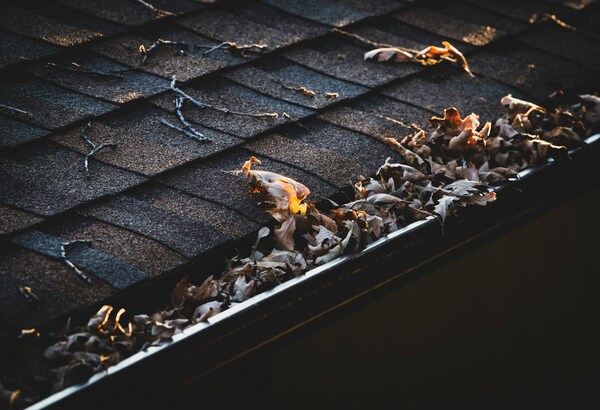
Fall has a way of arriving quietly. One week the windows are open, the yard is green and summer feels as though it will continue forever. Then the mornings become cooler, leaves begin collecting in the yard and homeowners suddenly remember that winter is not far behind. That makes September an ideal time to take care of seasonal maintenance. A little attention now can help prevent small problems from becoming expensive ones later. It can also make your home more comfortable and easier to maintain during colder months. Whether you plan to stay in your property for years or expect to sell in the near future, fall maintenance is part of protecting your investment. Walk around the exterior of your home slowly and deliberately. Look at siding, trim, windows, doors and visible areas of the foundation. You are looking for changes. Peeling paint, deteriorated caulking, damaged siding and small openings may allow moisture or cold air into the home. Addressing relatively minor issues before winter weather arrives can be easier than dealing with them during freezing temperatures. Pay particular attention around windows and exterior doors. If you notice obvious drafts or gaps, weatherstripping or caulking may improve comfort and energy efficiency. More significant deterioration should be evaluated by an appropriate professional. You do not necessarily need to climb onto the roof to spot potential concerns. From a safe location on the ground, look for missing or damaged shingles and anything that appears unusual. If you have experienced leaks or suspect roof damage, contact a qualified roofing professional rather than attempting unsafe repairs yourself. Fall is also an important time to think about gutters. Leaves, branches and debris can prevent water from draining properly. Clogged gutters may overflow and send water toward siding, walkways or the home's foundation. Clean them safely or hire someone who can. Check downspouts as well and make sure water is being directed appropriately away from the house. The first cold night is a terrible time to discover that the heating system is not working properly. Test the system before you truly need it. Depending on the type of heating equipment in your home, seasonal servicing may be appropriate. Follow manufacturer recommendations and use qualified professionals when needed. Replace or clean applicable filters and make sure heating vents, radiators or registers are not blocked by furniture. If your home has a fireplace, wood stove or chimney, determine whether professional inspection or cleaning is due before using it. Safety should always take priority over convenience. Fall is also a good reminder to verify that safety devices are working. Test smoke alarms and carbon monoxide alarms according to manufacturer instructions and replace batteries or expired units when appropriate. Review the placement of alarms and applicable local requirements as well. As homes become more tightly closed during colder weather and heating equipment is used more frequently, functioning carbon monoxide detection becomes particularly important. Homeowners in climates where temperatures fall below freezing should prepare exterior plumbing before winter arrives. Disconnect garden hoses when the season ends. Drain or winterize outdoor plumbing systems as appropriate for the property. Know where your main water shutoff is located before an emergency occurs. If you have plumbing in unheated areas, ask a qualified professional whether additional protection is needed. A few minutes of preparation can be much easier than dealing with a frozen pipe during a winter storm. Fall yard work is about more than appearance. Keep leaves from piling up on walkways where they may become slippery when wet. Trim vegetation that is contacting the house when appropriate, and inspect trees for obviously damaged or unstable branches. Outdoor furniture, grills, planters and recreational equipment should be cleaned, covered or stored according to manufacturer recommendations. If you have an irrigation system, determine whether it needs to be winterized. Seasonal maintenance should include the home's interior. Check beneath sinks for signs of moisture. Look around ceilings and windows for staining that could indicate a leak. Clean dryer vents and lint areas according to manufacturer guidance. Vacuum refrigerator coils if recommended for your appliance. Reverse applicable ceiling fans for winter operation if desired. Fall is also a great time to declutter mechanical rooms, basements and storage areas so important systems remain accessible. One of the simplest improvements homeowners can make is keeping a record of maintenance. Note when the heating system was serviced, gutters were cleaned, roof was repaired, smoke alarms were replaced or appliances were maintained. Keep receipts and warranties. This makes future maintenance easier because you no longer have to rely on memory. Good records can also be useful when you eventually sell the property. Being able to show buyers that major systems have received consistent care can help demonstrate responsible homeownership. Home maintenance is rarely exciting. But neglect can be expensive. A clogged gutter, missing roof shingle, small leak or malfunctioning heating system is usually easier to address before it becomes an emergency. September gives homeowners a valuable window between summer heat and winter weather to identify problems and prepare. Spend a weekend walking through your property with fresh eyes. Make notes, prioritize what needs attention and bring in qualified professionals where appropriate. Your future self may be very glad you did. Thinking about selling in the next six to twelve months? Contact me before you begin major projects. I can help you understand which improvements may matter to buyers in your local market—and which ones may not be worth the expense.Start Outside
Look Up at the Roof
Prepare the Heating System
Check Smoke and Carbon Monoxide Alarms
Protect Plumbing From Cold Weather
Give the Yard One More Round of Attention
Look Inside Too
Create a Home Maintenance Record
Your Home Is an Investment Worth Maintaining
Preparing Your Home for Fall: A Homeowner Maintenance Checklist